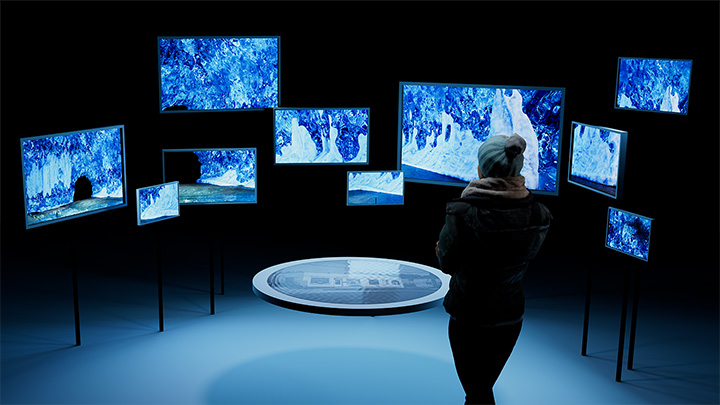
 Multi-channel interactive installation with user input animating arctic data, Imaging Research Center, May 2, 2026. Photograph by Kiirstn Pagan.
The Polar Ice Museum is a series of artworks and installations that transform polar data into meaningful public engagement experiences on sea level, climate, and related environmental issues. This project is directed by IRC in collaboration with researchers at iHARP, under the leadership of NSF Principal Investigator, Dr. Vandana Janeja,

Experience the Polar Ice Museum
Call or email us for a private tour!
Significance
Scientists emphasize that solving climate change requires broad public engagement, yet the abstract nature of climate data often fails to resonate with non-scientists. Additionally, the average person perceives the arctic as too distant to affect them personally.
Project Description
The Polar Ice Museum is a series of artworks and installations that transform scientific research on the Earth’s polar regions. Research data is translated into sensual animations that offer novel experiences on rising sea levels, climate, and related environmental issues. The project is an immersive, data-driven installation that brings the reality of climate change to life through physical objects and VR/XR experiences. A constellation of monitors arcs around the viewers in a living ice cave within a game-like environment (Unreal Engine). As data enters the space, a series of particles from carbon events, winged heads from medieval maps, icebergs and even ice skates animate the unfolding glacial movements, turning the earth’s data into something visceral and immediate.
At the center of the installation is a floating white circular table that features a 3D relief. As dark water fills the relief, it gradually reveals a photographic image of Speed’s Beauty Salon in South Baltimore’s Turners Station neighborhood. This 50-year-old business is part of a community already affected by rising sea levels and is expected to face severe flooding by 2050. By linking polar ice science to a specific local site, The Polar Ice Museum transforms distant climate data into an intimate, place-based experience with urgent consequences.
Collaboration and Methods
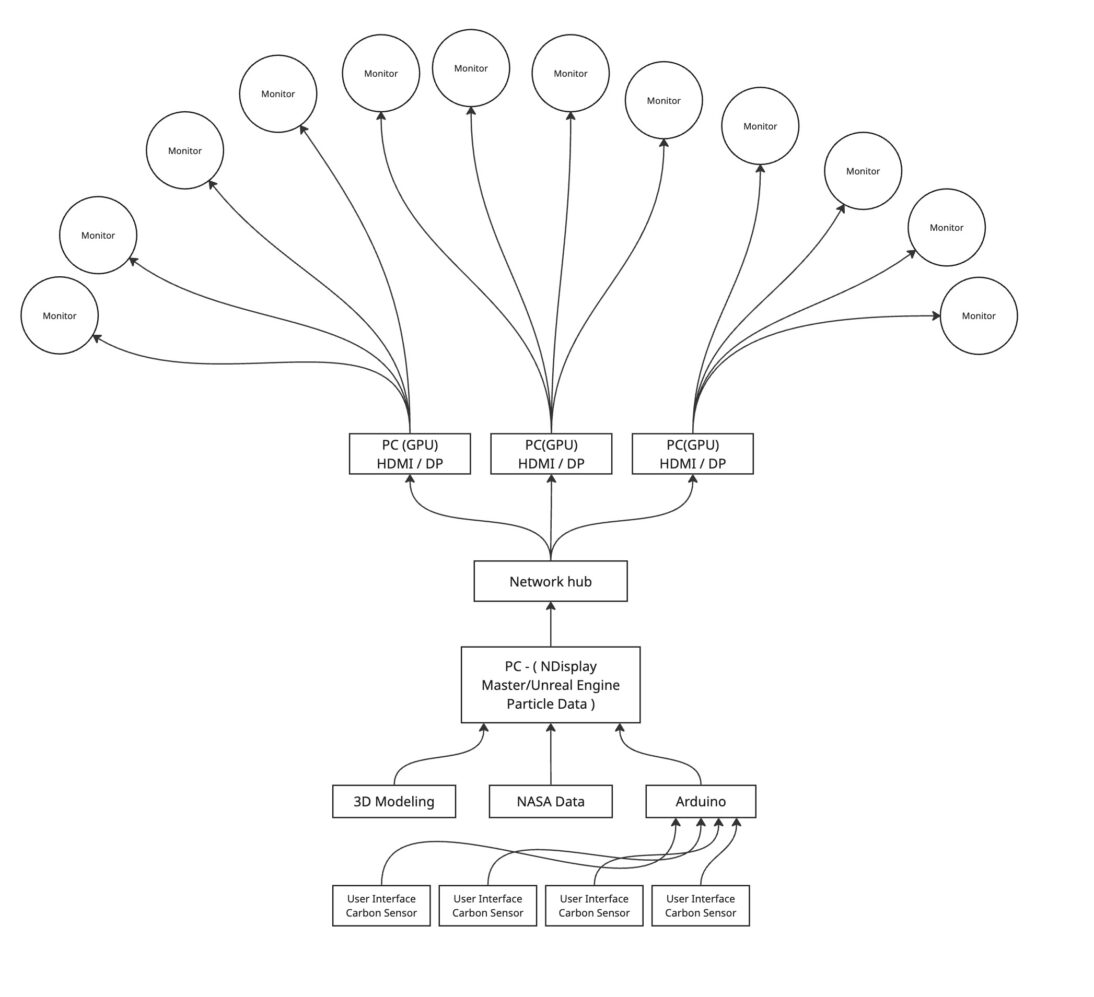

Polar researchers at iHARP are part of an international network of scientists dedicated to studying polar ice, including geological constructions, its melting, rising sea levels, and the global impacts that follow. To bridge the gap between complex scientific data and the decision-makers and communities empowered to act, the IRC leverages polar ice research to create data-driven experiences. These experiences illuminate both the dramatic changes occurring in the Arctic and their tangible effects on local landscapes, including Baltimore. Through working with !Harp data, we aim to cultivate meaningful public engagement with the urgent realities of climate instability.
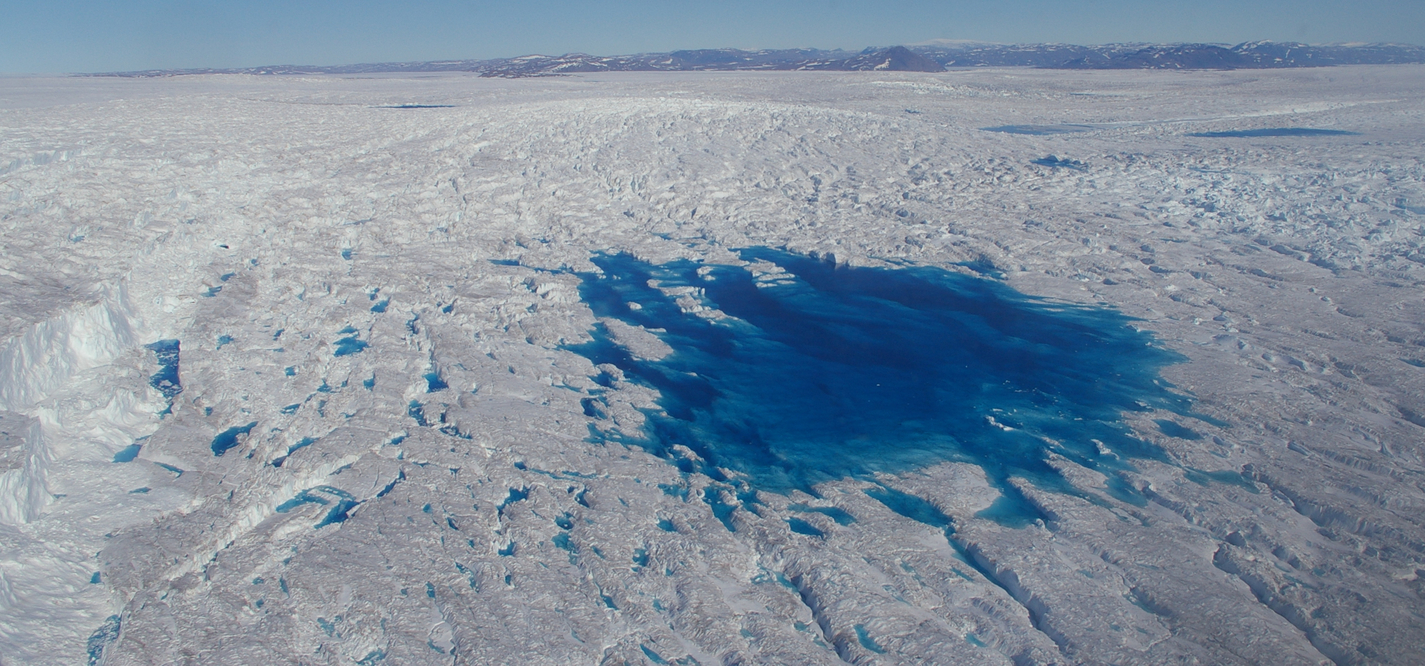
Since much of Greenland’s coast is made of ice, when it melts, the island shrinks. However, researchers at iHARP are studying the phenomenon where inland regions of the island’s earth are absorbing rising sea levels creating lakes that are expanding. These new lakes are expanding in this polar region. Therefore, when data from the polar region expresses small amounts of melting, a small amount of colored water will fill the sculpture. When the data shows acceleration, the white sculpture is slowly transformed into a topographical photograph of a lake region. Simultaneously, an underwater audio track of ice in Greenland will be composed, where volume and speed are in sync with the lake spreading.

Early Prototypes
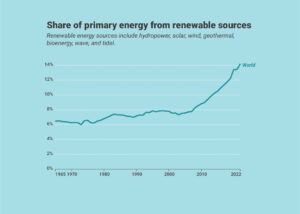
Early prototypes were developed using 3D and virtual reality (VR), designed in Unreal gaming engine software. The graph shown underneath has lead much of our early prototypes, as it provides a very promising statistic that makes change seem possible.


Researchers and Creators
Principal Investigator: Dr. Vandana Jeneja, Professor of Information Systems, Associate Dean of the College of Engineering and Information Technology
Art Direction: Lisa Moren, Director, Imaging Research Center, Professor of Intermedia, Visual Arts
User Experience Scientist: Anita Komlodi, Associate Director IRC, Associate Professor of Human-Centered Computing, Information Systems Department
Research Associate: Lee Boot, Director Emeritus, IRC
Poet: Jessica Kleemann, Performance contribution, Director Emeritus, Art School in Nuuk, Greenland, and in Copenhagen, Denmark
Climate Scientist: Sudip Chakraborty, Research Assistant Professor, ¡HARP project
Policy Advisor: Yusuke Kuwayama, Assistant Professor, Public Policy
Animation, Modeling and Installation Lead: Ryan Zuber, Technical Director, IRC Staff
Audio and Music Composition: Evan McRae, Technical Director, IRC C1 Staff
Data Programmer: June Young, Technical Director, IRC C1 Staff
Data Analysis: Iman Asfari, Volunteer Postdoctoral Researcher, Information Systems Department
Student Research and Production
Brandon Ables, PhD, Human-Centered Computing student, Information Systems Department
Rishitha Achari, MA, Human-Centered Computing student, Information Systems Department
Selin Sam Büyükcengiz, MFA, Graduate Student of Intermedia and Digital Arts, Department of Visual Arts
Taylor Goad, MFA, Graduate Student of Intermedia and Digital Arts, Department of Visual Arts
Samuel McCarthy, BS, Computer Science, Department of Computer Science and Electrical Engineering
Dax Mikow, BS, Computer Science, Department of Computer Science and Electrical Engineering
Lynn Nguyen, MFA, Graduate Student of Intermedia and Digital Arts, Department of Visual Arts
Tobi Williams, BS, Undergraduate Student, Computer Science and Electrical Engineering; Data Science Fellow in the College of Engineering and Information Technology (COEIT)
Special Thanks
The Polar Ice Museum is grateful for the support from our collaborator iHARP and funding from the National Science Foundation (NSF) and UMBC’s Arts+. We also wish to thank Zach Adams at OpenWorks for CNC engraving the disk and Hank Mink, Engineer Technician, Department of Mechanical Engineering for consulting on installing the disk.