Green NH3
Group members: Michael Bruner, Sarah Garvey, Emam Hossain, Chhaya Kulkarni, Bayu Adhi Tama, Aaron Thibault, Stewart Ziff, David Victorson
Climate Phenomenon
Global warming poses a serious threat to many sectors, including food production. Resulting changes in temperature, precipitation, atmospheric carbon dioxide (CO2), growing season length, and the frequency and intensity of extreme weather could have significant impacts on farming and crop yields. These shifts will likely alter agricultural practices, including fertilizer production and application, which are deeply interconnected with nitrogen (N) and other environmental impacts.


Science Findings
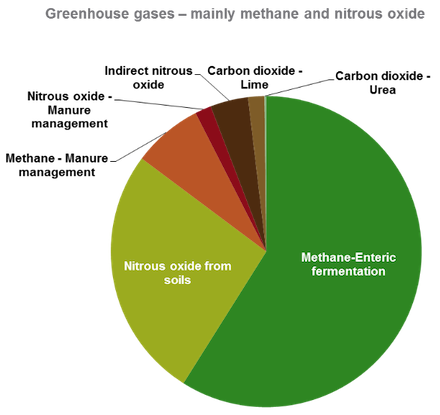
Greenhouse gas emissions from farming fertilizers contribute significantly to climate change. Ammonia (NH3) production comprises ~2% of annual global CO2 emissions and energy consumption (largely from fossil fuels). This is more than 450 metric tons of CO2 every year. Ammonia is a form of nitrogen that can be used by living organisms on Earth.
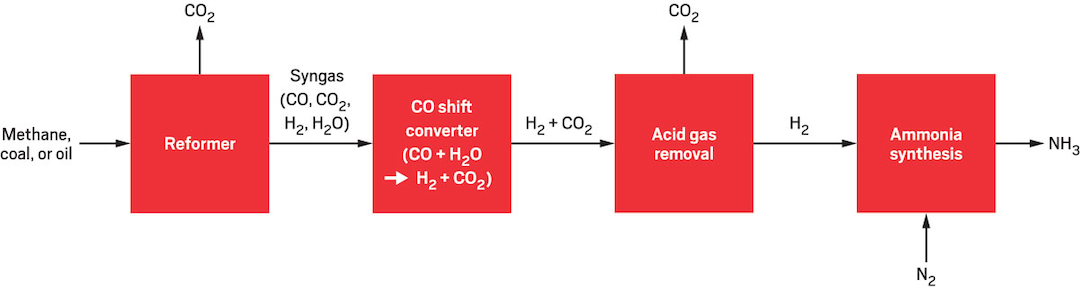
Ammonia primarily used in agriculture and about 70% is used to make fertilizer, while the remainder is used in industrial applications. Ammonia is produced by humans using the Haber-Bosch process (discovered over a century ago), which uses high temperature and pressure to convert nitrogen from the atmosphere into ammonia.
“Green ammonia” refers to a technological innovation to produce ammonia using renewable energy, and it could offer a pathway to decouple ammonia production from fossil fuels and reduce CO2 emissions. “First generation” green ammonia technology integrates renewable energy with the Haber-Bosch process. Next generation green ammonia technologies are in the lab testing phase—these rely on direct electrochemical synthesis or photosynthesis of ammonia and bypass Haber-Bosch.

Human Impact
Historically, the fertilizer industry has been highly centralized and carbon intensive. New, modular green ammonia production units will allow for decentralized fertilizer production on individual farms and could disrupt fertilizer markets. Increased fertilizer accessibility via green ammonia could help farmers better manage seasonal fertilizer application and optimize efficiency, reduce costs due to fertilizer transport, and shield farmers from fluctuations in fertilizer market prices and supply chain disruptions, ultimately increasing farm resilience.
However, widespread green ammonia could have critical environmental and social consequences, as increased availability could increase use (Jevons paradox: increased efficiency –> increased consumption). Green ammonia could add a vast amount of additional nitrogen into the environment, exacerbating coastal pollution, disrupting oceanic nitrogen cycling, contributing to ozone depletion, and increasing other greenhouse gas emissions (like nitrous oxide, or N2O, which has a global warming potential ~300 times greater than CO2). (Garvey et al 2025)
Human Contributors
Who does it?
- Farmers: Transitioning to green ammonia to reduce reliance on traditional fertilizers.
- Policymakers: Designing incentives for adopting sustainable agricultural practices and fertilizer application.
- Consumers: Influencing demand for sustainably grown food.
- Corporations: Innovating technology for green ammonia production and application.
Why do they do it?
- Farmers: Mitigate rising costs of traditional fertilizers, increase farm resilience, and reduce environmental impact.
- Policymakers: Address public pressure to combat climate change and meet international agreements. Address pressures on the food system.
- Consumers: Align with values of sustainability and health.
- Corporations: Capitalize on emerging markets and meet regulatory requirements.
Needs/Desires Served
- Farmers: Maintain soil health, reduce dependence on centralized fertilizer suppliers, potential future economic resilience, reduce farm greenhouse gas emission profiles, and enhance crop yield.
- Policymakers: Strengthen food security, meet climate targets, and ensure economic stability.
- Consumers: Access affordable, eco-friendly, and nutritious food.
- Corporations: Drive innovation, profitability, and market competitiveness.
Change Theory
Our communication strategy will utilize Prochaska and DiClemente’s Transtheoretical Model, also known as Stages of Change Theory. This model outlines six stages individuals typically go through when modifying behaviors: precontemplation, where they are unaware or resistant to change; contemplation, where they recognize the need for change but remain ambivalent; preparation, where they begin planning and taking small steps; action, where they actively implement behavior changes; maintenance, where they work to sustain these changes and prevent relapse; and termination, where the behavior change is fully integrated, and the risk of relapse is minimal. By understanding that behavior change is a dynamic, non-linear process, this model allows us to tailor our communication strategies to meet farmers where they are in their journey to utilize more progressive agricultural alternatives, using approaches that increase awareness, build motivation, provide actionable plans, and support sustained commitment.
Because converting to and adopting a green ammonia system requires education on its benefits, an initial financial investment, and significant technical know-how, we will also draw from Bandura’s Social Cognitive Theory to understand how our documentary film will help model the use of alternative fertilizer products. This theory emphasizes the importance of observational learning, where people acquire knowledge and behaviors by watching others, especially those they perceive as relatable or credible. By showcasing farmers and agricultural experts successfully using alternative fertilizer production, managing fertilizer application, addressing challenges, and experiencing positive outcomes, the film will demonstrate not only the practical steps but also the benefits of adopting these products safely and sustainably. Social Cognitive Theory highlights the role of self-efficacy—the belief in one’s ability to perform a behavior—which we will foster by depicting manageable and realistic solutions that audiences can replicate. By framing these behaviors within a context of social and environmental responsibility, the film can also influence collective attitudes and norms, encouraging widespread adoption of sustainable practices.
The film would highlight the interplay of behavioral, cognitive and environmental factors to motivate farmers to adopt green ammonia technology. Behaviorally, the documentary would showcase relatable farmers successfully using green ammonia, demonstrating how it reduces financial stress and uncertainty by enabling on-site production, thereby modeling the desired behavior. Cognitively, it would address farmers’ beliefs and knowledge by providing clear explanations of how the technology works, its cost-effectiveness, and its benefits, fostering a sense of capability (self-efficacy). The film would emphasize the supportive conditions for adoption-such as community collaborations, access to training, and the availability of resources to implement this technology-and green ammonia technology will affect fertilizer application practices. The outcome expectancies would focus on reduced financial strain, increased autonomy, and stable yields, while subtly incorporating the secondary environmental benefits of reducing greenhouse gases. By showcasing relatable social supports, such as cooperative efforts between farmers and agricultural experts, the documentary would build confidence and normalize the transition to green ammonia, empowering farmers to see this as a practical and achievable solution.
Communication Asset
Our plan is to create a brief, short documentary-style film (20-50 minutes) that features 3-4 farmers (from the United States, Canada, and possibly another country where green ammonia fertilizer is being used, such as Africa) who are currently experiencing some of the challenges related to farming, such as climate and economic uncertainty, lack of control and autonomy, and increasing costs. The film would document their decision-making process to implement green ammonia fertilizer on their farms and bring viewers along to understand the process of converting one’s farm to this approach, including some of the challenges and lessons learned, educational and training points, and demonstrations of use, and benefits. The film would follow up with these farmers the following season to hear how it went, etc. The target audience for the film is specifically farmers that will benefit from the transition to green ammonia. By focusing on drivers such as uncertainty, autonomy, and economic sustainability (and not explicitly climate change), we feel this group will be able to better connect with the film’s protagonists and see themselves in these novel solutions.
The goal of this film is to offer personal, relatable, local problems and solutions that models the dissonance, identity transformation, acceptance, uptake, and implementation of a novel green ammonia fertilizer program that can lead to increased farmer empowerment and financial solvency, as well as model pathways of system adoption to other farmers. The secondary, throughline co-benefit is that if implemented responsibly and safely, this also has significant potential to help prevent and reduce greenhouse gas emissions related to ammonia fertilizer use in the agricultural sector while minimizing risks and adverse impacts to the nitrogen cycle.
Beyond creating this film, considerations about its distribution and implementation are vital to its uptake and influence. Short-form social media and quick informational videos will make use of the footage from the documentary to reach a larger audience base. Dissemination strategies will consider the following media platforms and networks.
1. Agricultural-Focused TV Networks
- RFD-TV: A leading network dedicated to rural and agricultural content, reaching farmers and rural communities across the U.S.
- AgDay: A daily TV news program that focuses on agriculture, providing a targeted platform for promoting a documentary.
2. Radio and Podcast Networks
- Farm Radio Networks: Many states have dedicated farm radio networks (e.g., Iowa Farm Network, Ohio Ag Net) that reach local farmers.
- SiriusXM Rural Radio (Channel 147): A national satellite radio channel catering to rural listeners, with a focus on farming, ranching, and rural lifestyles.
- Agriculture Podcasts: Partner with popular farming-related podcasts, such as Farm4Profit or AgriTalk, to promote the documentary.
3. Online Platforms and Communities
- YouTube Channels: Collaborate with agricultural YouTube influencers and channels that farmers follow for tips, innovations, and industry news.
- Farm Bureau Websites: State Farm Bureaus often have active websites and newsletters that promote relevant content to their members.
- Social Media:
- Facebook: Leverage farmer-focused groups (e.g., Farm Life, Dairy Farmers of America) for targeted outreach.
- Instagram and TikTok: Engage younger, tech-savvy farmers through short, engaging clips.
4. Print Media and Trade Publications
- Farm Journals: Publications like Farm Journal, Progressive Farmer, or Successful Farming are highly regarded by the agricultural community.
- Cooperative Newsletters: Many farmers belong to agricultural cooperatives, which often distribute newsletters or magazines.
- Local Newspapers: Rural newspapers remain a trusted source of news for many farming families.
5. Partnerships with Agricultural Organizations
- American Farm Bureau Federation: The largest general farm organization in the U.S., offering access to a broad farming audience.
- National Farmers Union: Represents farmers across the U.S. and could help distribute and promote the documentary.
- Commodity-Specific Organizations: Partner with groups like the National Corn Growers Association, American Soybean Association, or the National Cattlemen’s Beef Association to reach specific farmer demographics.
6. Events and Conferences
- Farm Shows: Promote the documentary at large agricultural events like:
- World Ag Expo (California)
- National Farm Machinery Show (Kentucky)
- Farm Progress Show (Iowa/Illinois)
- County Fairs: Many rural communities gather at fairs, making them ideal venues for screenings or promotions.
- Agriculture Conferences: Sponsor or present the documentary at farming or agribusiness conferences.
7. Cooperative Partnerships
- Extension Services: Work with state agricultural extension services to share the documentary with farmers through their networks.
- Agricultural Equipment Dealers: Companies like John Deere or Case IH may co-promote a documentary tied to farming innovation or challenges.
Communication Theory
Our communication strategy considers that farmers have generally shown disinterest and even disdain for science and climate solutions. Farmers often distrust the scientific community’s climate change solutions because they perceive them as impractical, disconnected from local realities, economically risky, or threatening to their autonomy and traditions. Instead of addressing climate change head on, our approach will lead with communications that highlight the reduction of uncertainty and increase of autonomy and economic sustainability through using green ammonia as an alternative fertilizer source. This communication strategy draws from Framing Theory and Inoculation Theory to effectively engage farmers who may distrust climate change solutions. Framing Theory posits that the way information is presented (or “framed”) influences how audiences interpret and respond to it. Here it guides our approach by presenting green ammonia as a practical solution to farmers’ most pressing concerns – reducing uncertainty, increasing autonomy, and improving economic sustainability – rather than leading with its environmental benefits. This aligns the message with farmers’ values and lived experiences, making it more relatable and appealing. Inoculation Theory suggests that introducing information in a non-threatening, indirect way can build resilience to counterarguments and reduce resistance over time. It supports our use of a “Trojan horse” approach by subtly introducing the secondary environmental benefits as a non-threatening, peripheral narrative. By focusing first on economic and practical advantages, we reduce resistance and build trust, allowing farmers to connect with the idea of sustainability over time without feeling pressured or alienated. Together, these theories ensure our communication is strategic, engaging, and aligned with our audience’s priorities.
Evaluation
We will utilize a multilevel, mixed methods evaluation approach to better understand the impact of our initiative. We will assess interest through tracking downloads and shares of the film from its website and social media posts. We will also collect attendance information from virtual and in-person film screenings. We will also measure and track the uptake of purchasing and implementing green ammonia production systems, especially in areas where the documentary was screened. At the end of the film we will include a URL call to action that asks viewers to complete a brief post-film online survey, which will ask open-ended and Likert style questions about their climate change identity (e.g., denier, neutral, proponent/activist), knowledge gained about new technologies, attitudes about green ammonia, current stage of change about implementing something like this (e.g., preconteplation, conteplation), interest in utilizing this approach (if applicable), etc., how efficacious viewers feel about implementing something like this, what barriers/supports exist, levels of climate anxiety, and levels of climate hope. Quantitative data will be entered into a flat file (e.g., Excel, SPSS, R) where frequencies and calculations of central tendency will be calculated. Pearson correlation coefficients and Point Biserial correlations will be used to understand the strength and direction of associations between variables (e.g., stage of change and efficacy). Open-ended text passages will be qualitatively analyzed using content and thematic analysis approaches. Qualitative and quantitative results will be examined together in mixed methods exploratory analyses.
Funding/Production
We have identified a viable funding source to help underwrite this film from the Docusociety’s Climate Story Fund (https://climatestoryunit.org/apply/), which seeks to support compelling storytelling and impact strategies from around that world that can help audiences envision the just transition, and activate them to make these visions a reality. With funding support up to $100,000, they will prioritize applicants that creatively explore how communities today are experimenting with new pathways for a more safe and just future for all; how responsive governments and civil society are counteracting the efforts of a fossil fuel industry determined to slow down the radical transformation of our livelihoods; and how leaders are steadfastly navigating complexity as they remain committed to repairing past harms. They are interested in supporting stories that showcase how climate action can lead to abundance, how systems are being redesigned to be more inclusive, creating more opportunities without leaving anyone behind.
Limitations and Considerations
Nitrogen Runoff – Dead Zone in the Gulf of Mexico