Speakers
Below is the list of speakers who will discuss their work and some key principles that their discipline or domain offers to help guide the efforts of the workgroups.
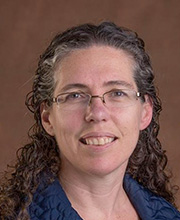
Victoria Coles
Professor of Oceanography, Horn Point Laboratory, University of Maryland Center for Environmental Science
My research focuses on understanding the interactions between physical and biogeochemical ocean processes in both coastal and open ocean regimes. I use both observations and models of coupled systems using strategies that bridge widely varying spatial and temporal scales to better understand how event scale, or individual scale processes influence the dynamics of the whole system. The common theme is how nonlinear interactions between physics, biogeochemistry and ecology are influenced by climate variability.
My most recent research efforts include: understanding the physical and ecological impacts of changes in extreme events in the Chesapeake Bay using data and IPCC class model projections; combining Eulerian with Lagrangian and stochastic modeling techniques to allow coupled circulation, biogeochemistry, and ecology models to span large ranges in spatial and temporal scale processes in the Amazon River Plume; and coupling models of ocean currents and biogeochemistry to genes and macroalgae.
Talk title: Changing Chesapeake: What’s in store for the eastern shore?
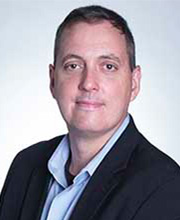
Aaron Deslatte
Associate Professor, School of Public and Environmental Affairs, Indiana University, Bloomington
Aaron Deslatte joined O’Neill as an assistant professor in 2019 and directs the Metropolitan Governance and Management Transitions (MGMT) Laboratory. His research focuses on the roles that public managers play in enhancing economic, environmental and social sustainability at the local and metropolitan level, with the goal of building cumulative knowledge which can help local governments advance sustainable economic and community development.
Deslatte previously taught at Northern Illinois University and is a faculty affiliate with the IU Environmental Resilience Institute and the Vincent and Elinor Ostrom Workshop. He also spent many years as a journalist covering politics and government in Missouri, Kansas, Arkansas, and Florida, including a term as the Tallahassee Bureau Chief at the Orlando Sentinel.
Talk title: Seeing No Evil? Human Reasoning, Collective Inference and Climate Action
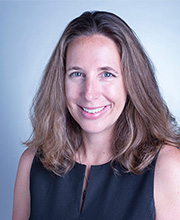
O’Reilly is an environmental anthropologist who studies how scientists and policymakers participate in environmental management, both in regard to the Antarctic environment and global climate change. Through participant observation and ethnographic interviews, she examines how people and ideas in science and policy interact, how experts make decisions about matters of concern, and how relationships with the environment inform knowledge production. O’Reilly has conducted research in Antarctica, New Zealand, at the Antarctic Treaty consultative meetings and at meetings of the United Nations Framework Convention on Climate Change (UNFCCC). Her current project analyzes how assessors in the Intergovernmental Panel on Climate Change make decisions in the writing of their assessment reports, which form the core set of science advice to the UNFCCC. Much of this work is represented in her new co-authored book Inside the IPCC: how assessment practices shape climate knowledge (2024, Cambridge University Press).
Talk title: The Curve: How scientists work with ambiguity to project sea level rise
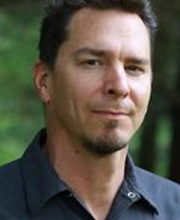
Dr. Park’s research interests include critical political economy of communication, new media technologies, media and democracy, environmental sustainability, consumerism and international communication. He is the author of Media Reform and the Climate Emergency: Rethinking Communication in the Struggle for a Sustainable Future with the University of Michigan Press, and Conglomerate Rock: The Music Industry’s Quest to Divide Music and Conquer Wallets with Lexington Books. His scholarship also appears in numerous journal articles, proceedings and book chapters including: the Journal of Communication Inquiry, Communication, Culture and Critique, American Journal of Media Psychology, The Political Economy of Communication, Information, Communication and Society, American Behavioral Scientist, International Marketing Review, Labor Studies Journal and the Journal of Social Media Studies. He serves on the editorial/advisory boards of several academic journals, and has received many teaching and research awards during his career, among them include a Howard Hughes Research Sabbatical Scholarship, the Outstanding Faculty Contributions to Service-Learning Instruction in Higher Education Award from the Executive Committee of the Gulf-South Summit for Service-Learning and Civic Engagement in Higher Education, an Honorary Fellowship at the University of Wisconsin-Madison in the School of Journalism and Mass Communication, a Fulbright-Hays Scholarship to the Caribbean, and a Tinker-Nave grant to research media and human rights groups in Argentina.
Talk title: Mass Communication and the Environment: Problems, Solutions and Pathways to Communicate
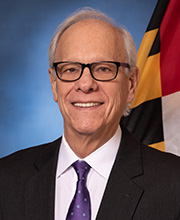
Paul Pinsky was appointed by Governor Moore to be the Director of the Maryland Energy Administration and he took office on January 18, 2023. Prior to his appointment as director, he was elected to the Maryland State Senate seven times. As a senator, he chaired the Education, Health and Environmental Affairs Committee. He has also served on the Maryland Commission on Climate Change since its inception. Pinsky has been a long-time champion in the fight to address climate change and clean up the Chesapeake Bay. He is the principal author of dozens of environmental laws that have helped shape most major state environmental policies in Maryland over the last two decades.
As senator, he sponsored the landmark Climate Solutions Now legislation, passed in 2022, which requires Maryland to slash emissions 60% by 2031 and to achieve net zero emissions by 2045. He was also the lead sponsor of: the watershed 2006 Healthy Air Act which included mandating Maryland’s membership in the Regional Greenhouse Gas Initiative (RGGI); legislation codifying the Climate Commission; and the 2009 and 2016 Greenhouse Gas Reduction Acts. He also co-sponsored the Clean Energy Jobs Act to require Maryland to obtain at least 50% of its electricity from renewable sources by 2030.
Talk title: State Incentives to Combat Climate Change
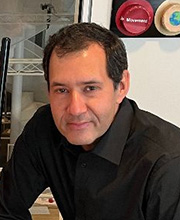
Mark SubbaRao leads NASA’s Scientific Visualization Studio, a group tasked with visualizing NASA science results for public audiences. Before joining NASA, Mark spent 18 years at the Adler Planetarium in Chicago, where he produced planetarium shows and designed museum exhibits featuring data-driven scientific visualizations. During 2019-2020 Mark served as President of the International Planetarium Society (IPS), where he spearheaded the ‘Data to Dome’’ initiative – an effort to prepare the planetarium community for the big data era. Before that he worked at the University of Chicago where he was part of a team that created the largest 3D map of the Universe, the Sloan Digital Sky Survey.
Talk title: Visualizing our Changing Planet at the Earth Information Center
Wednesday Night Speakers: Innovative Climate Media Arts
UMBC, the host university for the Full-Circle Workshop, has invested in innovative media and digital arts since its founding. In fact, workshop sponsor: the Imaging Research Center is the oldest research center at UMBC—a Research 1 university. Wednesday evening will provide an opportunity for us to share some of that work that is relevant to the workshop.
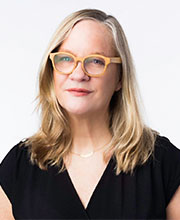
Lisa Moren is a multi-disciplinary artist who works with emerging media. In her environmental work, most recently done in collaboration with biologist Dr. Tsetso Bachvaroff, she seeks to evoke a sense of wonder in audiences. Their first work, What is the Shape of Water?, is a cross-species artwork allowing the public to interact with millions of bioluminescent organisms. Their second collaboration, Under the Bay, is an augmented reality data-driven narrative streamed from live under the bay sensors.
Talk title: Emergence
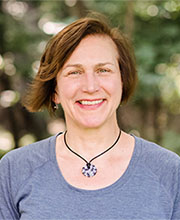
Lynn Cazabon
Professor of Visual Arts, Director of the Center for Innovation, Research, and Creativity, UMBC
Lynn Cazabon is an artist whose multifaceted projects employ participation as a strategy to deepen public engagement with the environmental, existential, and emotional ramifications of the climate crisis. Her work has been exhibited internationally and she has received grants and fellowships from the Fulbright Scholar Program, Saul Zaentz Innovation Fund, the Puffin Foundation, Robert W. Deutsch Foundation, Maryland State Arts Council, Franklin Furnace Archives, the Camargo Foundation, MacDowell, and Yaddo. She is a Professor of Art and Director of the Center for Innovation, Research, and Creativity at UMBC.
Talk title: Losing Winter
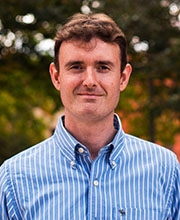
Ryan Zuber
Technical Director, Artist/Animator, Imaging Research Center, UMBC
Ryan Zuber is an artist and animator who serves as the Imaging Research Center’s Technical Director. With a range of expertise in 3D production for both film and real-time applications, Ryan works with interdisciplinary teams of artists, scientists, engineers, and students to address challenges of conceptual, creative and technical complexity. He has contributed to projects shown at the Baltimore Museum of Art, the Maryland Historical Society, the National Academy of Sciences building in Washington DC, the Peale Museum, The Wild Center, and the Space Foundation in Colorado Springs, Colorado. Ryan also worked as a science illustrator at NASA’s Goddard Space Flight Center where he spent several years producing illustrations for NASA missions such as the Solar Dynamics Observatory, the NPOESS Preparatory Project, and the Global Precipitation Measurement Mission.
Talk title: Building a Museum of Climate Change in Virtual Reality
Organizers and Staff
Below is the list of workshop organizers and staff who contributed their efforts and expertise to plan and make this workshop a success.
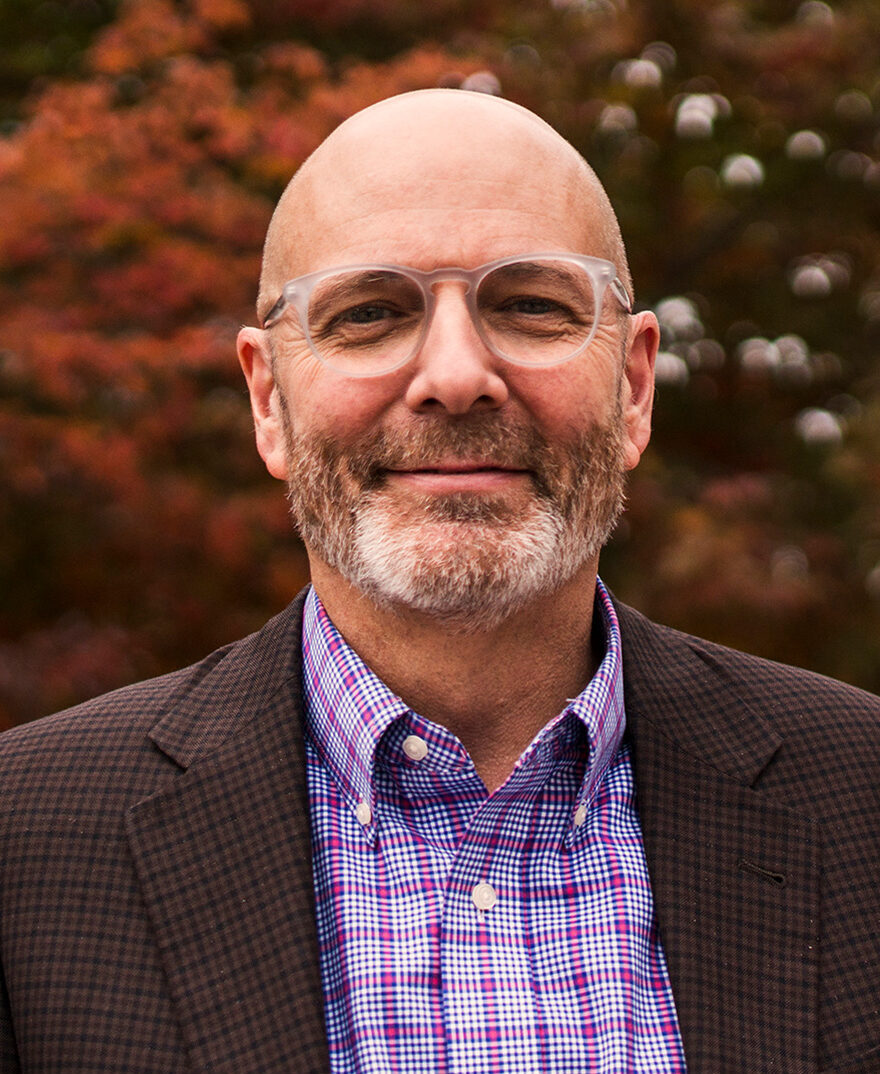
Lee Boot
Director, Research Associate Professor. Affiliate appointments: Visual Arts; Computer Science and Electrical Engineering
Mr. Lee Boot is a media artist and researcher serving as the Director of the Imaging Research Center at the University of Maryland, Baltimore County (UMBC). He holds affiliate associate professorships in Visual Arts and Computer Science & Engineering at UMBC. Lee‘s work focuses on integrating artistic values and methods into multidisciplinary teams to address societal challenges, including substance misuse, educational achievement, healthcare, and pandemic epidemiology. His projects aim to shift approaches from technocratic solutions to those informed by artistic insights, emphasizing the role of narrative and aesthetic experience in shaping culture and identity. His work has received support from organizations such as the National Institutes of Health and the Robert W. Deutsch Foundation, and has been commissioned by the National Academy of Sciences. Notably, his feature film “Euphoria,” which explores the pursuit of happiness, won the Gold Award for Documentary at the Houston International Film Festival in 2005.
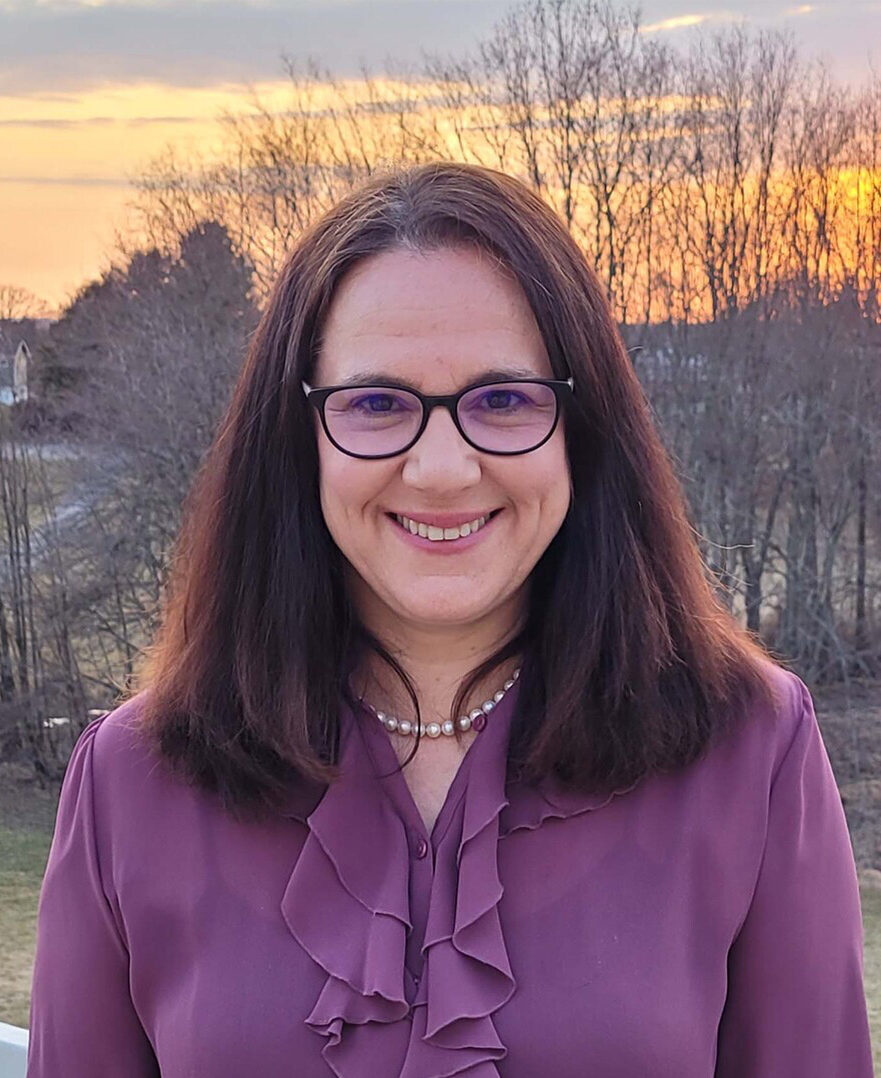
Dr. Anita Komlodi is an Associate Professor in the Department of Information Systems and the Graduate Program Director for Human-Centered Computing at UMBC. Her research areas span the fields of Human-Computer Interaction and Human Information Behavior. She studies information behavior in various contexts and and designs user interaction with information-intensive applications. In her current projects she focuses on information behavior and literacy across cultures and collaborative information behaviors in virtual reality environments.
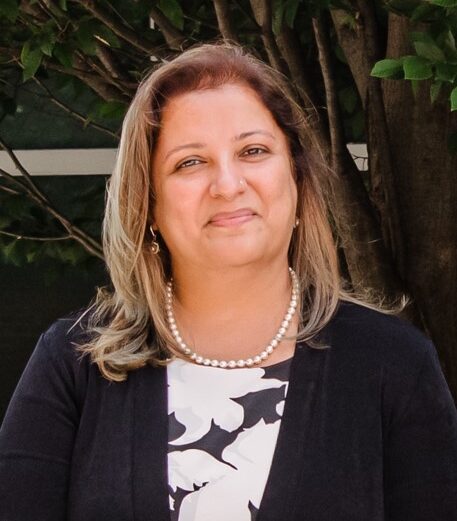
Vandana Janeja
Associate Dean for Research and Faculty Development, College of Engineering and Information Technology, University of Maryland Baltimore County (UMBC)
Vandana Janeja is Associate Dean for Research and Faculty Development in the College of Engineering and Information Technology, Professor of Information Systems department at the University of Maryland Baltimore County (UMBC). She is the director of iHARP, an NSF HDR Institute for Harnessing Data and Model Revolution in the Polar Regions. Her research is in the area of data science with a focus on spatio-temporal mining, data heterogeneity across multiple domain datasets. She heads the Multi Data lab at UMBC which brings together important societal projects such as climate change, ethics in data science, misinformation detection and security through the lens of her research in data science.
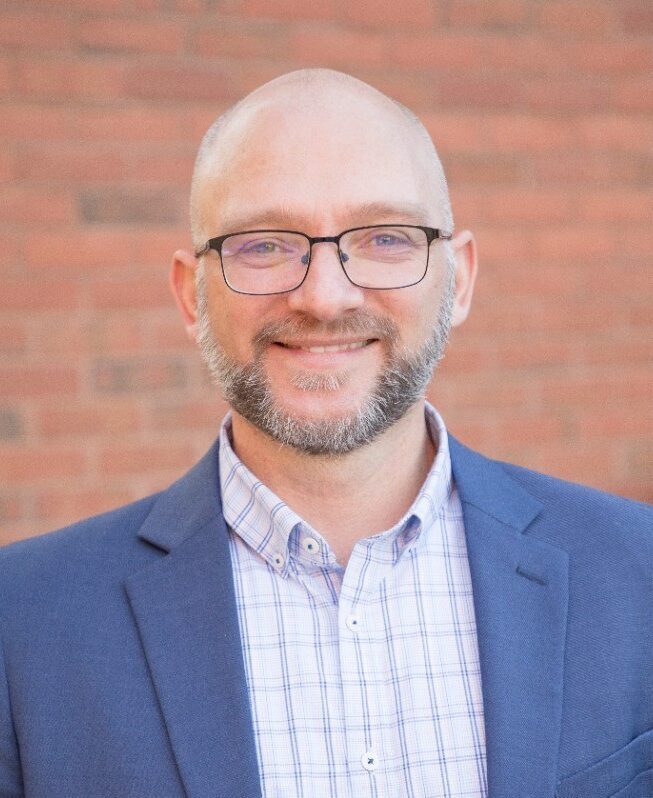
Eric J. Stokan
Director of Center for Social Science Scholarship, Associate Professor of Political Science, University of Maryland Baltimore County
Eric Stokan is the Director of the Center for Social Science Scholarship, an Associate Professor of Political Science, and Affiliate faculty in the School of Public Policy at UMBC. His research examines local government prioritization and planning efforts toward environmental sustainability, climate action, economic development, and community development. Stokan serves on the editorial board of the Urban Affairs Review and State and Local Government Review and co-directs the MGMT Lab at Indiana University Bloomington.

Hemanth Chelluri
Graduate Student, MS ’25, Department of Engineering and Information Technology, University of Maryland Baltimore County
Hemanth Chelluri is a researcher and designer currently pursuing his Master’s in Human-Centered Computing at UMBC. With over five years of professional experience at IBM and Dassault Systèmes, he specializes in UX research and design, transforming complex challenges into intuitive and impactful digital experiences.
He is currently conducting research at the Imaging Research Center, where he investigates individual sensemaking strategies and learning behaviors exhibited by users interacting with immersive analytics environments in virtual spaces. His work focuses on understanding how users engage with complex, multi-data systems to enhance educational outcomes and inform better decision-making processes.
Hemanth’s expertise spans qualitative and quantitative research, user-centered design, and immersive analytics, particularly in education and virtual reality environments. He is passionate about exploring how technology can better connect with human behaviors and needs and has successfully led projects that improved user satisfaction and accessibility.
Rebecca Williams
Assistant Professor of Computer Science and Electrical Engineering, University of Maryland Baltimore County
Dr. Rebecca Williams received her BS in Bioengineering from the University of Illinois Chicago in 2008 and her PhD in Engineering Science from Dartmouth College. Before coming to UMBC, she was a research engineer at the Johns Hopkins Applied Physics Laboratory in Maryland, studying artificial intelligence/machine learning/computer vision, remote sensing and image processing, data science and visualization, LiDAR data exploitation, sensor platforms, and stereo depth estimation. She currently teaches courses in Data Visualization at UMBC and Medical Imaging at Johns Hopkins Engineering for Professionals Program. Her current research interests include immersive media, data visualization, computer vision, computer graphics, brain computer interface, wearable sensor technology, imaging and remote sensing
Dr. WIlliams’ current research includes immersive media, data visualization, computer vision, computer graphics, brain computer interface, wearable sensor technology, imaging and remote sensing.
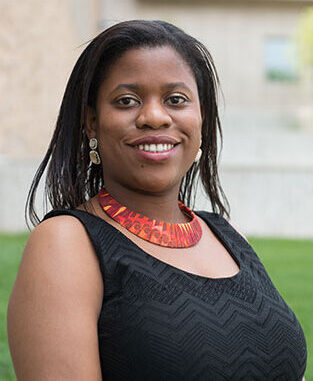
Josephine M. Namayanja is a Research Associate Professor at the Institute for Harnessing Data and Model Revolution in Polar Regions (iHARP), at the University of Maryland, Baltimore County. Prior to that, she served as an Assistant Professor of Management Science and Information Systems in the College of Management at the University of Massachusetts Boston. Josephine received her Ph.D in Information Systems at the University of Maryland, Baltimore County in May 2015 where she also received her M.S. in Information Systems in May 2010. She received her B.S. in Information Technology from Makerere University Kampala in Uganda in May 2007.
Josephine currently serves as the Research Associate Director at iHARP. Her research is primarily in data mining and big data, where she has proposed models for applications in climate change adaptability, health care, cyber security, urban mobility, e-commerce, project management, fintech, higher education learning, labor management, criminal justice, agricultural sustainability, and value-based data science for developing economies. She has published her research work in various journals and also presented at various conferences. Josephine has also served on regional and international conferences as well as, on the editorial review board of journals in the area of data mining, big data, decision sciences, business intelligence, and information systems.
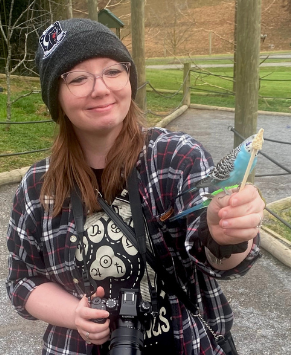
Nikki Monczewski
Communications and Operations Coordinator, University of Maryland Baltimore County
Participants
Below is the list of participants who brought their diverse perspectives, knowledge, and enthusiasm to engage in and contribute to the success of this workshop.
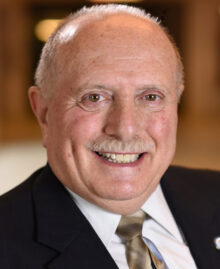
Bruce F. Molnia
U.S. Geological Survey Scientist Emeritus
Bruce Molnia, U.S. Geological Survey Scientist Emeritus, serves as Senior Science Advisor for National Civil Applications. His research interests focus on the cryosphere, especially understanding temperate glacier response to changing climate. Bruce, the namesake for Molnia Bluff, a bedrock massif in Antarctica’s Dry Valleys, has authored or co-authored more than 550 journal articles, abstracts, reports, maps, and books, including Alaska, the 525+ page ‘chapter’ of the Satellite Image Atlas of Glaciers of the World (https://pubs.usgs.gov/pp/p1386k/).
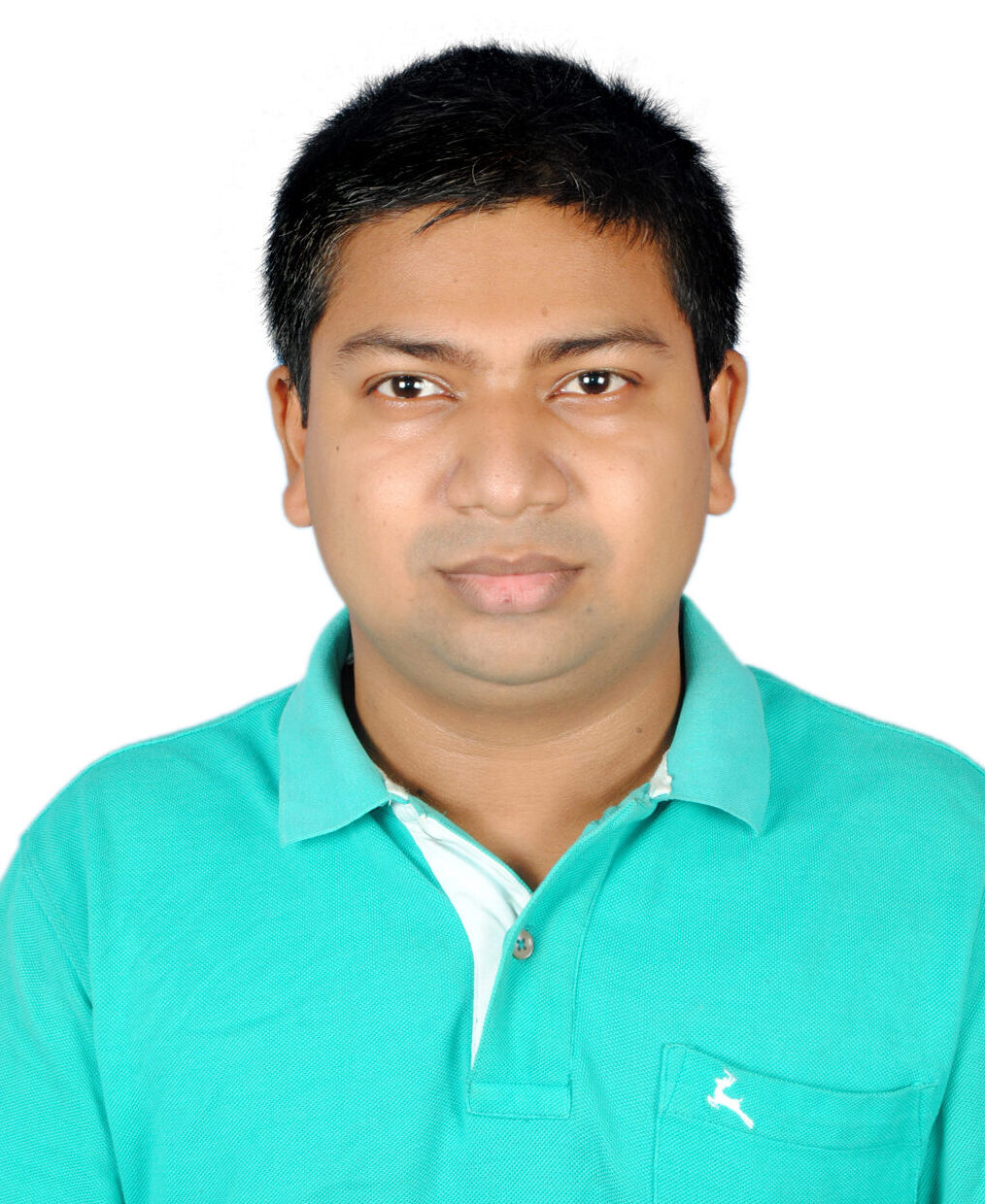
Maloy Kumar Devnath
Ph.D. Student, Department of Information Systemes, University of Maryland Baltimore County
Maloy Kumar Devnath is a Ph.D. student in the Information Systems Department at the University of Maryland Baltimore County. His current research focuses on comprehending the melting patterns of sea ice and investigating its implications on the melting of land ice, which is a key factor contributing to the rising sea levels. Maloy is conducting his research in the Artificial Intelligence/Machine Learning area under the supervision of Dr. Vandana P. Janeja and Dr. Sudip Chakraborty. His academic journey began with a BSc degree, and he briefly worked as a Software Developer at Code Crafters International Limited. Following his passion for education, he transitioned to an academic role as a Lecturer at Bangabandhu Sheikh Mujibur Rahman Science & Technology University, Gopalganj. He is proud to share that, on June 3, 2022, he was promoted to Assistant Professor, reflecting his dedication to teaching.
Muhtadi Munawar Zahin
Ph.D. Student, Florida International University
Hi, I am Zahin. Being a boy from Bangladesh, I have been studying mechanical engineering with an aim to improve general human quality of life. I am currently pursuing my Doctorate in Florida International University, and am looking forward to learning and applying narrative lenses to my engineering career, and perhaps toy with opportunities present here.
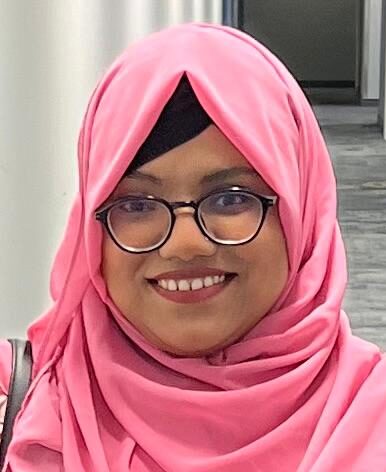
Mayeesha Humaira
Ph.D. Student, Department of Computer and Information Sciences, Towson University
I am a PhD student in Information Technology at Towson University, conducting research at the forefront of Artificial Intelligence. My work emphasizes Deep Learning, Big Data Analytics, Data Science, Geo-AI, and Health AI to address complex challenges across environmental and healthcare domains. I am passionate about leveraging AI-driven insights to inform decision-making and improve communication strategies. I look forward to collaborating with participants to bridge climate science and effective communication.
Jianwu Wang
Professor of Information Systems, University of Maryland, Baltimore County
Dr. Jianwu Wang is a Professor at Department of Information Systems, UMBC. He leads the Center for Scalable Data and Computational Science (ScaleS) at UMBC, and co-leads iHARP. His research interests include Big Data Analytics, Causal AI, Earth Informatics and Distributed Computing. He has published 150+ papers and has been funded by ARL, NSF, NASA, DOE, State of Maryland, and Industry. He received Early-Career Faculty Excellence Award from UMBC in 2019 and NSF CAREER Award in 2020.

Lynn Vartan
Percussion Interarts Performance
College of Performance, Visualization & Fine Arts
Dr. Lynn Vartan is an internationally renowned music performer, known for her collaborative performances and artistry. She has been multiple times Grammy nominated, and performed Pulitzer Prize finalist album. Dr. Vartan is endorsed by Paiste, Remo and Marimba One, is a US Fulbright Specialist, and has a signature series of marimba mallets developed for her. Her Interarts projects have been featured for Percussive Arts Society, the A.M.P.S conference, and at music festivals on 4 continents.
Sai Vikas Amaraneni
Ph.D. Student, Department of Information Systems, University of Maryland Baltimore County
I’m Sai Vikas Amaraneni, a PhD Student in the Information Systems Department at UMBC working under the supervision of Dr. Vandana P. Janeja and Dr. Sudip Chakraborty. My area of research focuses on spatiotemporal data mining to investigate the spatiotemporal relationships between ocean and atmospheric variables affecting various Antarctic regions.
Karen Chen
Assistant Professor of Information Systems, University of Maryland Baltimore County
I am an assistant professor of information systems at UMBC with a background in AI, machine learning, and data science. My role as a data science educator, practitioner, and researcher inspires my interest in data storytelling and science communication in general. I am also the education and outreach co-lead of iHARP, which allows me to explore how we could use data storytelling to communicate about the science of climate change.
Susan M. Sterett
Professor Emerita of Public Policy, University of Maryland Baltimore County
Susan M. Sterett is professor emerita of public policy at UMBC. She writes on climate governance, legalized processes, and courts. She is most recently the author of Litigating the Pandemic: disaster cascades in court (2023), which begins with the pandemic as a climate-related disaster. She has a book in progress on legal encounters and social welfare in climate-related disaster. She also co-edited a forthcoming special issue of Law and Society Review on climate change litigation.
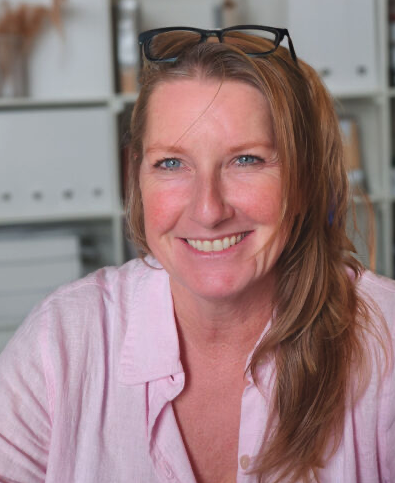
Barbara Klein
Associate Professor, Texas A&M University
Barbara Klein, MFA, is an Instructional Associate Professor at Texas A&M University in College Station, Co-Director of the Virtual Production Institute, and Associate Program Director for Graduate Programs. She is a creative technologist and educator with expertise in visualization, design, virtual production, and entrepreneurship. As an academic leader, she develops innovative curricula, fosters industry collaborations, and champions entrepreneurial thinking. She emphasizes applied learning, design, and global perspectives through study abroad programs, preparing students for leading with an entrepreneurial mindset in creative and technological industries.
Michael Walsh
Associate Professor of Practice – College of Performance, Texas A&M University
Michael Walsh, MFA, is an Associate Professor of Practice at Texas A&M University. He is a 3D artist and motion capture expert with over 20 years of experience in feature film, animation, and digital art. His work spans major film productions such as Avatar, Beowulf, The Adventures of Tintin, and The Amazing Spider-Man.
Michael specializes in advanced technologies, including motion capture, LiDAR scanning, and virtual production, applying these tools to both entertainment and practical applications. Beyond film, he has contributed to military simulation projects for the United States Army and Marine Corps, as well as 3D courtroom visualizations for trial. As the director of Texas A&M’s Starlab, Michael leads cutting-edge projects that inspire and equip the next generation of creators.
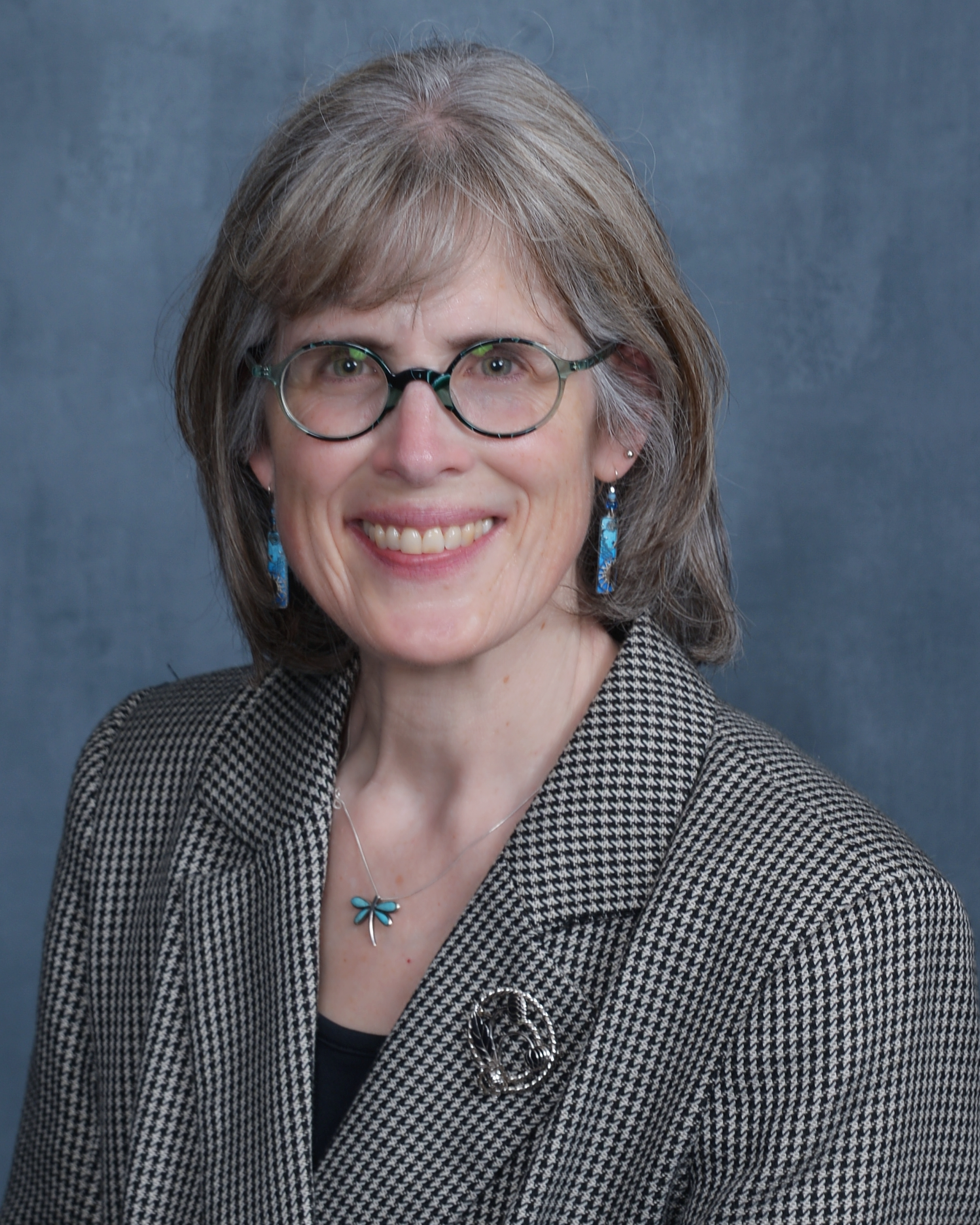
Sarah Jewett
Director of Learning Partnerships in Research and Practice, University of Maryland, Baltimore County
Dr. Sarah Jewett serves as the Director of Learning Partnerships in Research and Practice at the University of Maryland, Baltimore County (UMBC). She is passionate about teaching and learning, and is a faculty affiliate with the Department of Sociology, Anthropology and Public Health, and the Language, Literacy & Culture doctoral program. As an ethnographic researcher focused on educational equity, inclusive communities and sociocultural identities, she has become deeply engaged in digital storytelling and its unique role in fostering dialogue in an era of climate change.

Ann McNamara
Professor, Department of Computer Science, Texas A&M University (TAMU)
Dr. Ann McNamara is a professor and researcher in the field of computer science, focusing on computer graphics, visualization, and human-computer interaction. She is based at Texas A&M University (TAMU), where she contributes to both research and education in these domains. Her work bridges technical innovation and perceptual understanding, making her a notable figure in fields that require interdisciplinary expertise.
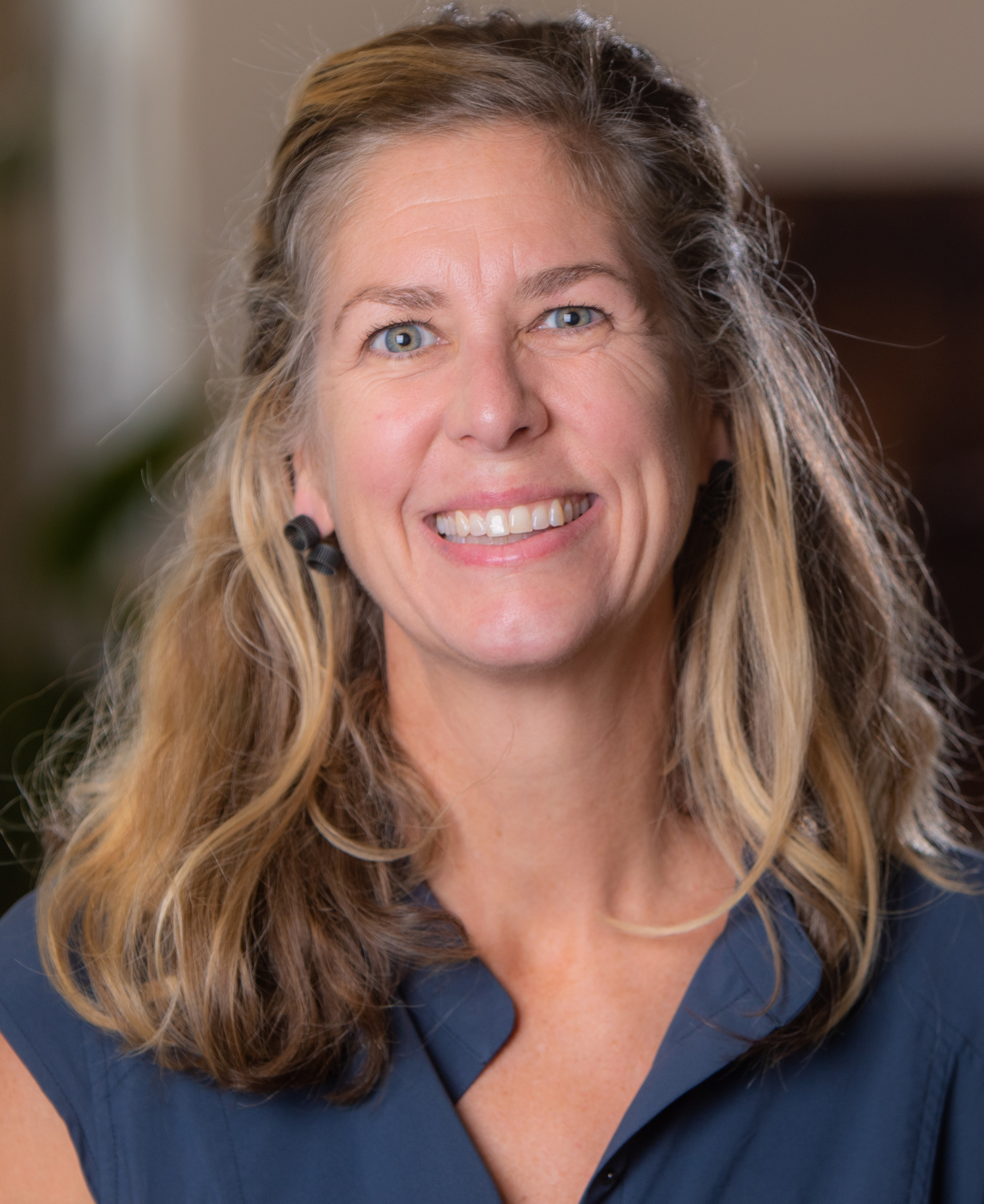
Courtney Starrett
Program Director, College of Performance, Visualization & Fine Arts, Texas A&M University
Courtney Starrett is an artist working at the intersection of art, craft, and technology. Her work is included in permanent collections and exhibited internationally and published in several journals and texts. Starrett’s creative research investigates using conceptually relevant environmental data to create forms utilizing computer programming and digital design/fabrication processes in combination with handwork. With Susan Reiser, Starrett coined the term data materialization to describe a subgenre of data art which utilizes data as a raw material.
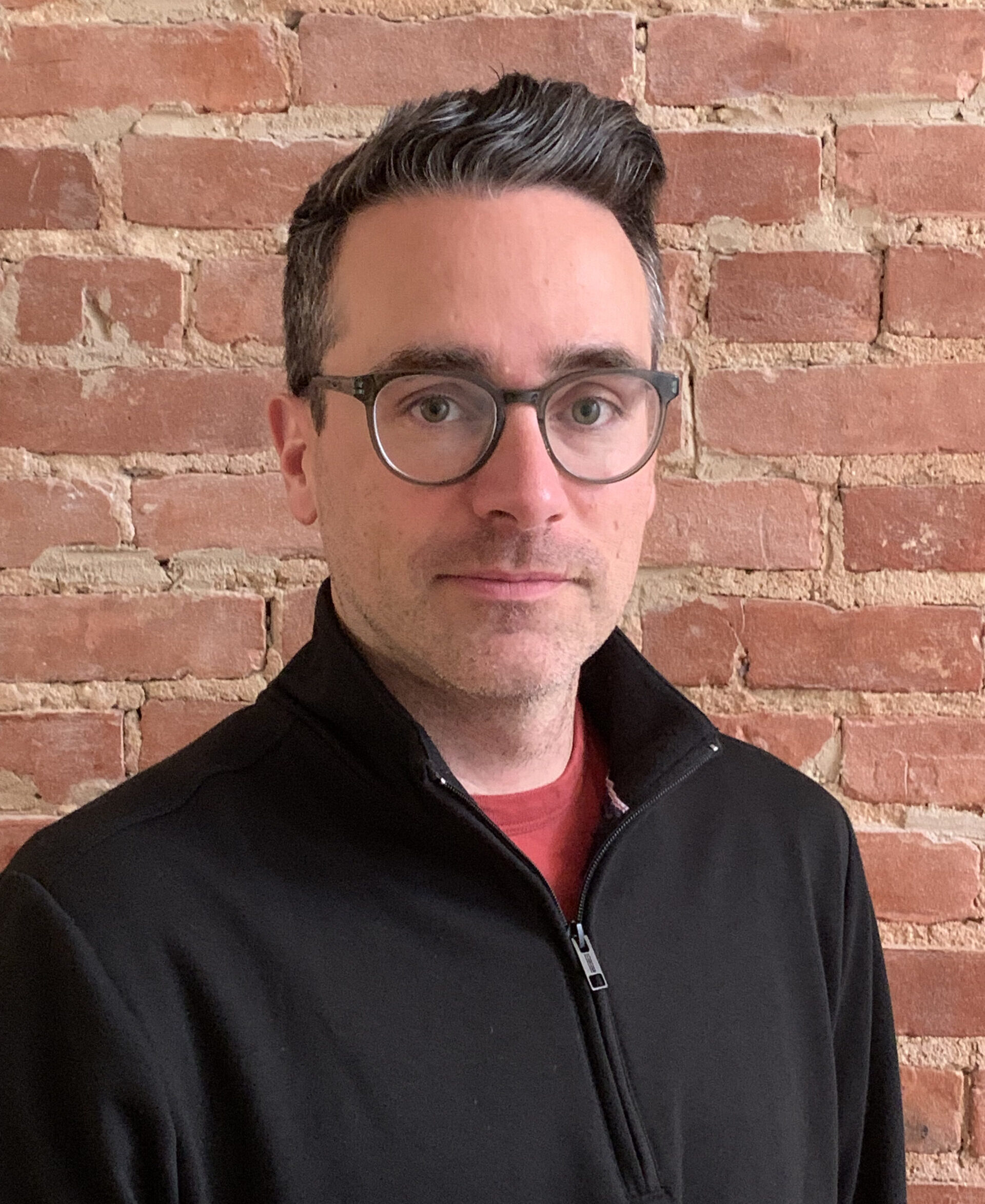
Kel Elkins
Data Visualizer, NASA’s Scientific Visualization Studio, Goddard Space Flight Center
Kel Elkins is a data visualizer with NASA’s Scientific Visualization Studio at the Goddard Space Flight Center in Greenbelt, MD. He works with scientists to visualize data from NASA missions, including both observational data (from satellites, aircraft, etc.) and supercomputer simulations. These visualizations promote a greater understanding of Earth and Space Science research activities at NASA.
Bayu Adhi Tama
Postdoctoral Research Associate, University of Maryland, Baltimore County
Bayu Adhi Tama is a Postdoctoral Research Associate at the NSF HDR Institute for Harnessing Data and Model Revolution in the Polar Regions (iHARP) at the University of Maryland, Baltimore County. He specializes in applied data science for polar research, leveraging machine learning and deep learning techniques to address environmental challenges.
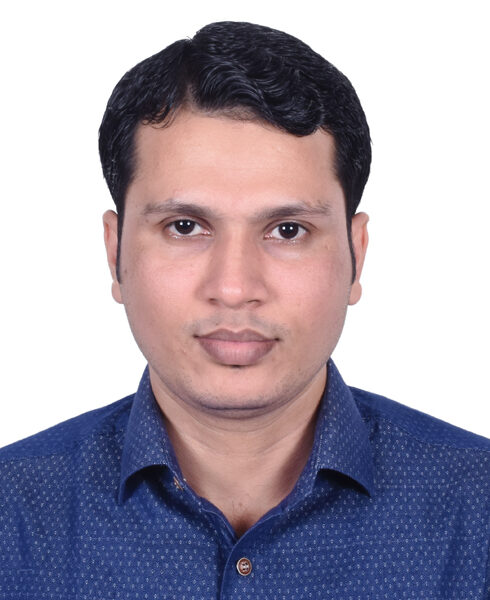
Omar Faruque
PhD Student, Department of Information Systems, University of Maryland, Baltimore County
Omar Faruque is a 3rd-year PhD student specializing in Causality Analysis for time series and spatiotemporal data, leveraging Deep Learning and AI techniques. His research primarily focuses on Climate and Earth domains, but he maintains an open interest in NLP, medical, and biological applications. Omar’s expertise extends to computer vision and machine learning, with a growing curiosity for Foundation Models and Diffusion Models. His interdisciplinary approach and diverse interests position him as a versatile researcher at the forefront of AI applications in various scientific fields.
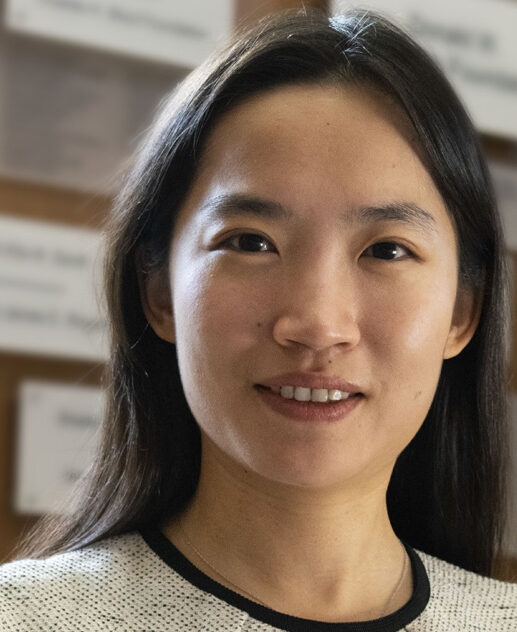
Ran Duan
Assistant Professor, Reynolds School of Journalism, University of Nevada, Reno
Ran Duan is an assistant professor at the Reynolds School of Journalism at the University of Nevada, Reno. Her research interests include environmental, science, and visual communication, such as the uses and effects of visuals in the communication of wildfire and climate change, the development of scales for measuring visual literacy in science communication. She received Ph.D. in Media and Information from Michigan State University in 2018, with a specialization in Environmental Science and Policy.

Jenny Baeseman
International Science, Policy, and Climate Consultant, Baeseman Consulting & Services LLC
Jenny Baeseman is an international science, policy and climate consultant based in Wisconsin. Her background includes studying life in extreme environments from acid mine drainage to the McMurdo Dry Valleys, Antarctica. She previously served as the Founding Director of the Association of Polar Early Career Scientists, Director of the World Climate Research Programme’s Climate and Cryosphere Project, and as Executive Director for the Scientific Committee on Antarctic Research. One of her personal goals is to make sure everyone she meets knows that polar bears don’t eat penguins – as they live at different Poles.
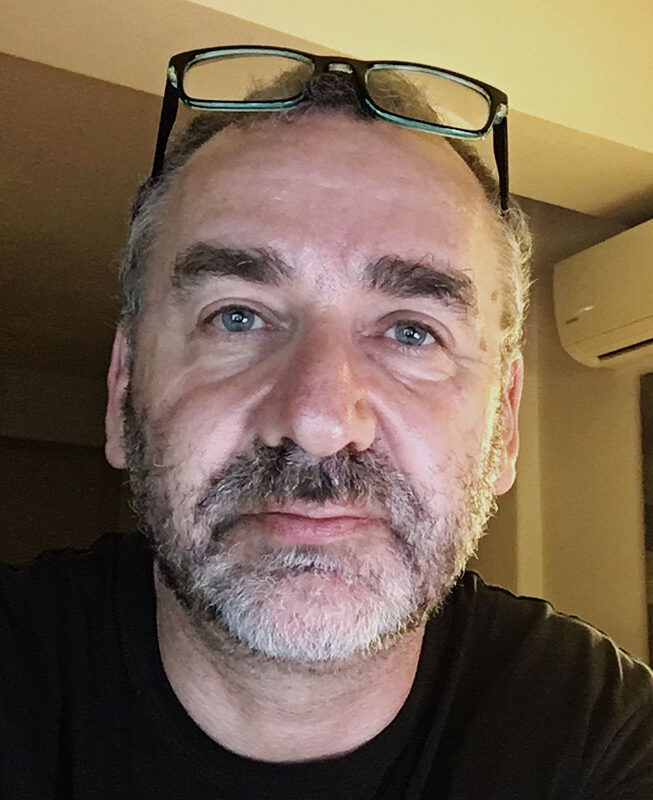
Stewart Ziff
Associate Instructional Professor of Virtual Production, Texas A&M University
Stewart Ziff is an artist, technologist, and educator, currently appointed as an associate instructional professor of virtual production at Texas A&M. A founding member of the Personal Cinema collective, he has taught at Georgia State University, Parsons School of Design, and SVA. He was systems architect for the Hayden Planetarium, technical director at MTV’s DTV R&D lab, and a consultant on Earth and Space Sciences visualization projects, blending academia, industry, and media arts expertise.
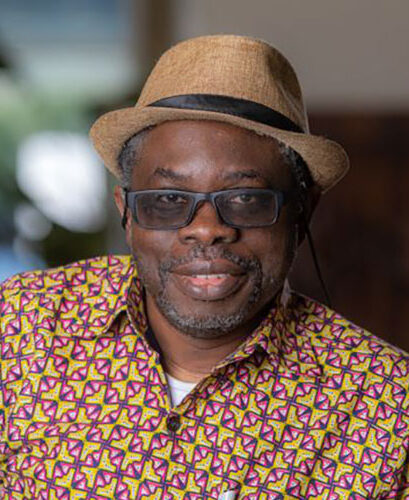
David A. Donkor
Associate Professor of Performance and Africana Studies, Texas A&M University
David A. Donkor (PhD), Associate Professor of Performance and Africana Studies at Texas A&M University and Carnegie Diaspora Fellow, researches performance as a form of public political practice. He is the author of Spiders of the Market: Ghanaian Trickster Performance in a Web of Neoliberalism (2016). He is also a stage director, performer and adaptor of folktales, personal narratives and literature, and recipient of the Entertainment Critics and Reviewers Association of Ghana award for acting.
Data
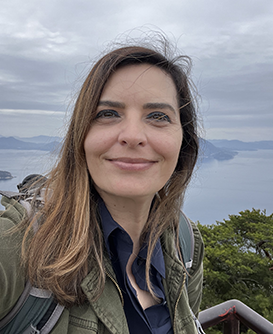
Helen-Nicole (Eleni) Kostis
Data Visualization Product Manager, NASA
Helen-Nicole (Eleni) Kostis leads data dashboards and visualizations for NASA’s Earth Information Center wall-sized displays. Based at the Scientific Visualization Studio at NASA Goddard Space Flight Center, Eleni designs, develops and produces data-driven media, conduits, and experiences with the goal to communicate complex climate phenomena and research findings to the scientific communities and the public. Eleni is the recipient of NASA’s Exceptional Achievement Award for Outreach.
https://svs.gsfc.nasa.gov/
https://earth.gov/
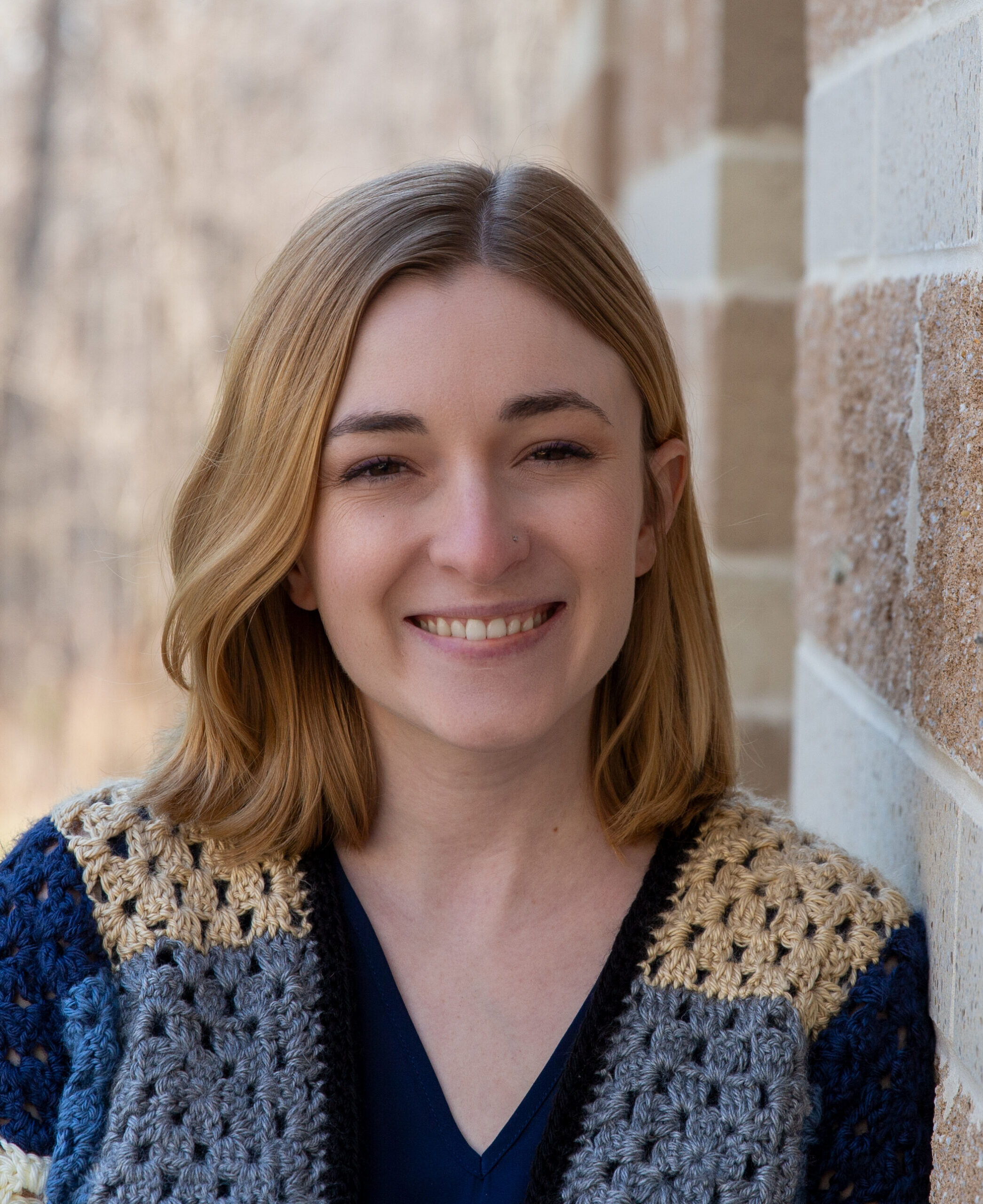
Sarah M. Garvey
Program Manager, University of Maryland Center for Environmental Science
Sarah Garvey (she/her) is the Program Manager for the Global Nitrogen Innovation Center for Clean Energy and the Environment (NICCEE). She is an interdisciplinary scientist interested in biogeochemistry, climate science, and coupled human-natural systems. Sarah received her B.A. from the University of Pennsylvania and earned her Ph.D. with the Hutyra Terrestrial Carbon Lab at Boston University. Her previous research combined lab, field and analytical work to investigate anthropogenic impacts on soils and the carbon cycle.
Chhaya Kulkarni
Ph.D. Student , University of Maryland, Baltimore County
Chhaya Kulkarni is a Ph.D. candidate at the University of Maryland, Baltimore County, specializing in spatiotemporal data mining, climate change studies, and machine learning. Her research combines advanced AI and spatial data science techniques to analyze environmental patterns, focusing on Arctic snowmelt. Supported by the NSF-funded iHARP initiative and NASA’s GESTAR II fellowship, she has presented her findings at prominent conferences.
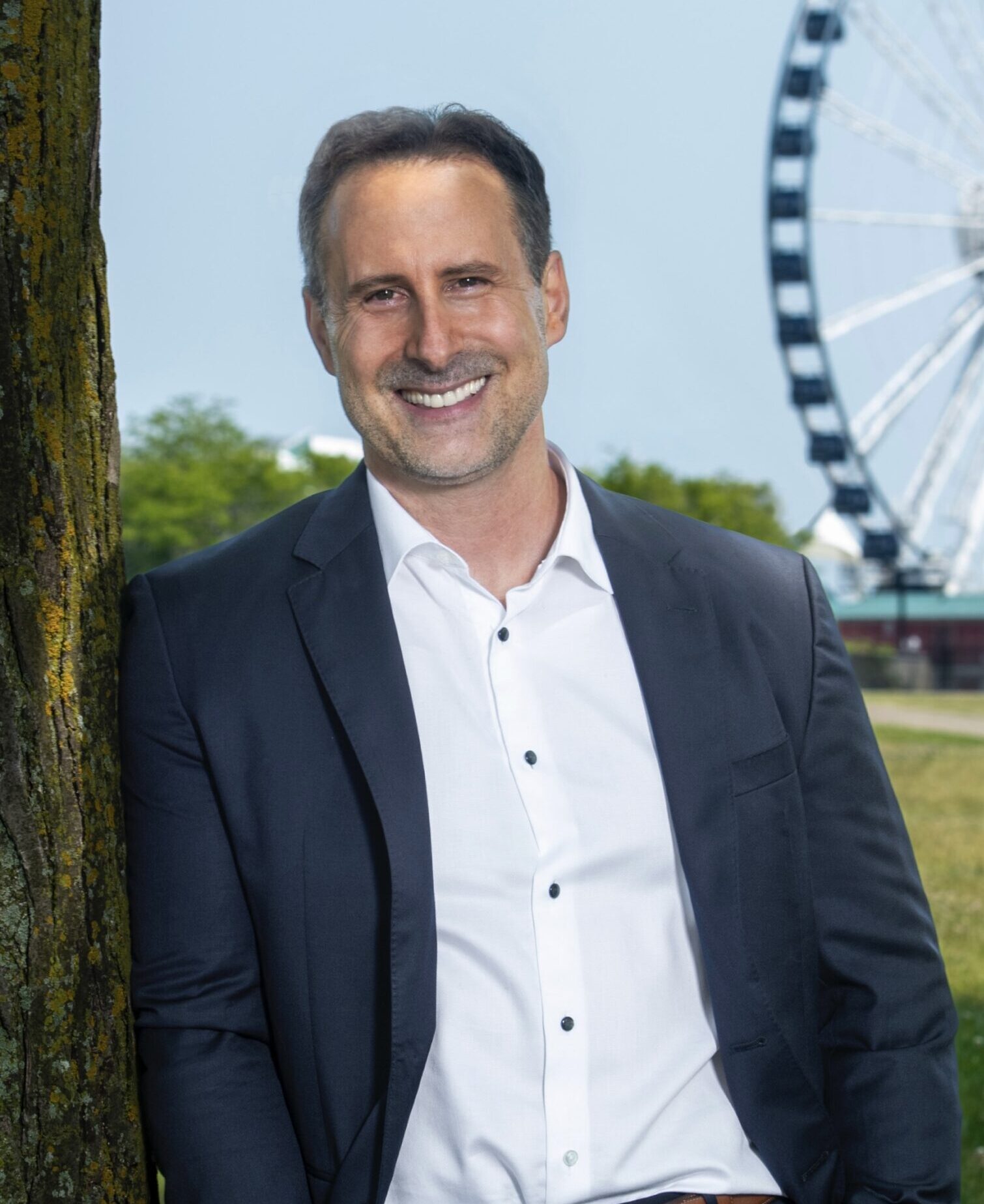
David Victorson
Director of the Flourishing in Society and Health Research Lab in the Feinberg School of Medicine at Northwestern University
David Victorson is a licensed psychologist, Professor of Medical Social Sciences, and Director of the Flourishing in Society and Health Research Lab in the Feinberg School of Medicine at Northwestern University. He also directs Integrative Oncology Research at the Cancer Survivorship Institute at the Robert H Lurie Comprehensive Cancer Center and is a founder and director of a nonprofit for young adults and caregivers affected by cancer called True North Treks. His research focuses on the role of mindfulness-based emotion regulation, deep social connection, nature contact and planetary health, and positive health behavior engagement in promoting health, wellbeing, and flourishing in people, our population, and the planet.
Mostafa Cham
Ph.D. Student, University of Maryland, Baltimore County
Mostafa Cham is a Ph.D. student in Information Systems at the University of Maryland, Baltimore County, with expertise in AI and big data analytics. His research focuses on improving climate data predictions, including precipitation forecasting and ice sheet dynamics, and enhancing medical imaging techniques.
Sanjay Purushotham
Associate Professor, Department of Information Systems, University of Maryland, Baltimore County
I am Sanjay Purushotham, an Associate Professor in the Department of Information Systems at UMBC. My research focuses on Artificial Intelligence and Machine Learning, with applications in health and climate sciences. I have authored over 90 peer-reviewed publications in leading AI/ML venues, including AAAI, ICML, KDD, SDM, and NeurIPS. My work has been supported by the NSF, NASA, NIH, and ARL, and in 2023, I received the prestigious NSF CAREER award. Currently, my research is focused on advancing trustworthy federated learning systems for computational healthcare and developing novel deep learning and computer vision algorithms for polar science applications.
Michael Bruner
Instructional Assistant Professor in the College of Performance, Visualization and Fine Arts, Texas A&M University
Michael Bruner is a media artist, interactive designer, teacher and vegetable gardener fascinated by living systems. From growing plants to making generative video these living systems are full of emergent properties made visible through feedback with self and environment. Connecting these principles into creative processes is central to Michael’s work. Michael is currently an Instructional Assistant Professor in the College of Performance, Visualization and Fine Arts at Texas A&M University teaching interactive media and design.

Emam Hossain
Ph.D. Student , University of Maryland, Baltimore County
Emam Hossain is pursuing his Ph.D. in Information Systems at the University of Maryland Baltimore County (UMBC), where he earned his M.S. in 2023. He is also working as a Research Assistant at iHARP. His research interests focus on incorporating causality into deep learning, with applications in climate science, particularly the formation dynamics of subglacial lakes in the Greenland Ice Sheet. He also holds Bachelor’s and Master’s degrees in Computer Science. His work has led to numerous publications in international journals and conferences.